|
Premier Pet Pty Ltd |
|---|
Product Code: SC3125
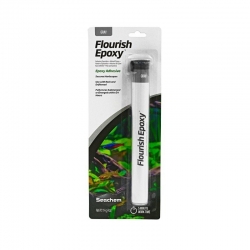
Seachem Flourish Epoxy is two-part epoxy putty that can be used during hardscaping to secure materials such as rock and driftwood for more stable foundations in planted aquaria. It has a working time of 5 minutes and fully cures submerged or emerged within 24 hours. Flourish Epoxy is ideal for working with stacks of rocks, where collapse could cause damage to plants or the aquarium itself. It...
Product Code: SC3126
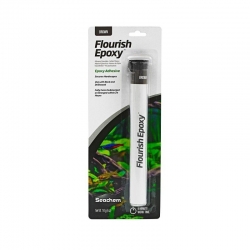
Seachem Flourish Epoxy is two-part epoxy putty that can be used during hardscaping to secure materials such as rock and driftwood for more stable foundations in planted aquaria. It has a working time of 5 minutes and fully cures submerged or emerged within 24 hours. Flourish Epoxy is ideal for working with stacks of rocks, where collapse could cause damage to plants or the aquarium itself. It...
Product Code: SC50103
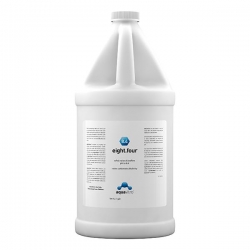
Many competing buffers for reef aquaria are simply sodium bicarbonate. Such buffers have a pK of only 8.0 in saltwater and simply are unable to maintain a pH above 8.0. The low buffering pK is a function of the low carbonate/bicarbonate ratio. eight.four supplies a properly balanced (carbonate/bicarbonate) buffer system that yields an industry leading pK of 8.6 which makes pH maintenance of...
Product Code: SC50400
Many competing buffers for reef aquaria are simply sodium bicarbonate. Such buffers have a pK of only 8.0 in saltwater and simply are unable to maintain a pH above 8.0. The low buffering pK is a function of the low carbonate/bicarbonate ratio. eight.four supplies a properly balanced (carbonate/bicarbonate) buffer system that yields an industry leading pK of 8.6 which makes pH maintenance of...
Product Code: SC50509
Many competing buffers for reef aquaria are simply sodium bicarbonate. Such buffers have a pK of only 8.0 in saltwater and simply are unable to maintain a pH above 8.0. The low buffering pK is a function of the low carbonate/bicarbonate ratio. eight.four supplies a properly balanced (carbonate/bicarbonate) buffer system that yields an industry leading pK of 8.6 which makes pH maintenance of...
Product Code: SC50608
Many competing buffers for reef aquaria are simply sodium bicarbonate. Such buffers have a pK of only 8.0 in saltwater and simply are unable to maintain a pH above 8.0. The low buffering pK is a function of the low carbonate/bicarbonate ratio. eight.four supplies a properly balanced (carbonate/bicarbonate) buffer system that yields an industry leading pK of 8.6 which makes pH maintenance of...
Product Code: SC51100
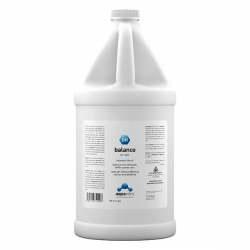
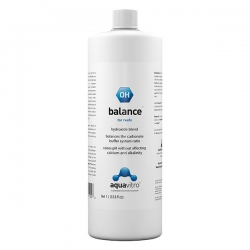
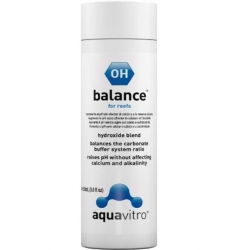
A frequent occurrence in reef systems is low pH, while calcium and alkalinity are at optimal levels. Raise one and the others may fall. One of the primary reasons for this is an improper carbonate/bicarbonate ratio. The buffer ratio changes as a natural consequence of the buffer's ability to counteract acidifying sources such as organic acids (produced naturally from waste) or introduced from...
Product Code: SC51407
A frequent occurrence in reef systems is low pH, while calcium and alkalinity are at optimal levels. Raise one and the others may fall. One of the primary reasons for this is an improper carbonate/bicarbonate ratio. The buffer ratio changes as a natural consequence of the buffer's ability to counteract acidifying sources such as organic acids (produced naturally from waste) or introduced from...
Product Code: SC51506
A frequent occurrence in reef systems is low pH, while calcium and alkalinity are at optimal levels. Raise one and the others may fall. One of the primary reasons for this is an improper carbonate/bicarbonate ratio. The buffer ratio changes as a natural consequence of the buffer's ability to counteract acidifying sources such as organic acids (produced naturally from waste) or introduced from...
Product Code: SC51605
A frequent occurrence in reef systems is low pH, while calcium and alkalinity are at optimal levels. Raise one and the others may fall. One of the primary reasons for this is an improper carbonate/bicarbonate ratio. The buffer ratio changes as a natural consequence of the buffer's ability to counteract acidifying sources such as organic acids (produced naturally from waste) or introduced from...
Product Code: SC52107
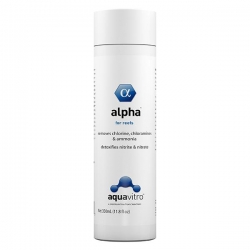
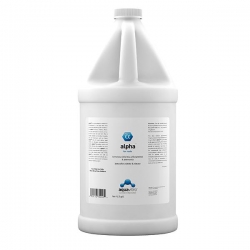
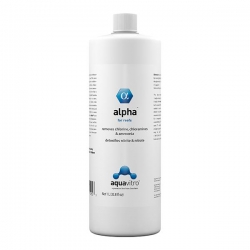
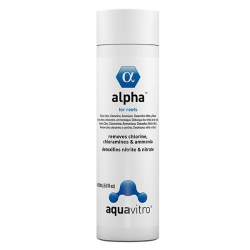
A paramount factor in the proper maintenance of an aquarium is the dilution of accumulated waste by scheduled water changes. This requires the removal of chlorine or chloramine or both from the new water. With the advent of chloramine, thiosulfate has proven inadequate, causing the release of ammonia. At acid or neutral pH, this is not of serious consequence. However, at alkaline pH it can be...
Product Code: SC52305
A paramount factor in the proper maintenance of an aquarium is the dilution of accumulated waste by scheduled water changes. This requires the removal of chlorine or chloramine or both from the new water. With the advent of chloramine, thiosulfate has proven inadequate, causing the release of ammonia. At acid or neutral pH, this is not of serious consequence. However, at alkaline pH it can be...
Product Code: SC52404
A paramount factor in the proper maintenance of an aquarium is the dilution of accumulated waste by scheduled water changes. This requires the removal of chlorine or chloramine or both from the new water. With the advent of chloramine, thiosulfate has proven inadequate, causing the release of ammonia. At acid or neutral pH, this is not of serious consequence. However, at alkaline pH it can be...
Product Code: SC52503
A paramount factor in the proper maintenance of an aquarium is the dilution of accumulated waste by scheduled water changes. This requires the removal of chlorine or chloramine or both from the new water. With the advent of chloramine, thiosulfate has proven inadequate, causing the release of ammonia. At acid or neutral pH, this is not of serious consequence. However, at alkaline pH it can be...
Product Code: SC52602
A paramount factor in the proper maintenance of an aquarium is the dilution of accumulated waste by scheduled water changes. This requires the removal of chlorine or chloramine or both from the new water. With the advent of chloramine, thiosulfate has proven inadequate, causing the release of ammonia. At acid or neutral pH, this is not of serious consequence. However, at alkaline pH it can be...
Product Code: SC53104
Iodide is a critical element for the health and formation of soft tissue in invertebrates (such as gorgonians, sarcophytons, etc). It has also been shown to be critical for the development of pigments in corals, corallimorpharia, and anemones, both the golden brown of zooxanthellae and the green and red colors of accessory pigments. Most iodide supplements on the market are simply potassium...
Product Code: SC53401
Iodide is a critical element for the health and formation of soft tissue in invertebrates (such as gorgonians, sarcophytons, etc). It has also been shown to be critical for the development of pigments in corals, corallimorpharia, and anemones, both the golden brown of zooxanthellae and the green and red colors of accessory pigments. Most iodide supplements on the market are simply potassium...
Product Code: SC53500
Iodide is a critical element for the health and formation of soft tissue in invertebrates (such as gorgonians, sarcophytons, etc). It has also been shown to be critical for the development of pigments in corals, corallimorpharia, and anemones, both the golden brown of zooxanthellae and the green and red colors of accessory pigments. Most iodide supplements on the market are simply potassium...
Product Code: SC53609
Iodide is a critical element for the health and formation of soft tissue in invertebrates (such as gorgonians, sarcophytons, etc). It has also been shown to be critical for the development of pigments in corals, corallimorpharia, and anemones, both the golden brown of zooxanthellae and the green and red colors of accessory pigments. Most iodide supplements on the market are simply potassium...
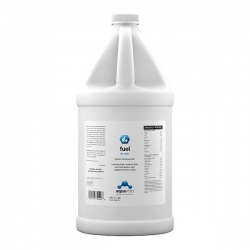
Product Code: SC54101
fuel is a comprehensive carbohydrate, vitamin, amino acid, polyunsaturated fatty acid, and trace element supplement developed to address nutritional requirements commonly associated with corals. fuel contains ascorbic acid in a base of chlorella, which contains a rich assortment of amino acids and vitamins. The health benefits of chlorella are widely known and while spirulina, a similar algae,...
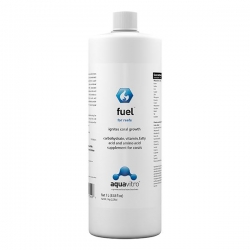
Product Code: SC54408
fuel is a comprehensive carbohydrate, vitamin, amino acid, polyunsaturated fatty acid, and trace element supplement developed to address nutritional requirements commonly associated with corals. fuel contains ascorbic acid in a base of chlorella, which contains a rich assortment of amino acids and vitamins. The health benefits of chlorella are widely known and while spirulina, a similar algae,...
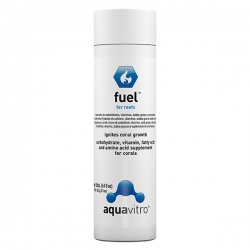
Product Code: SC54507
fuel is a comprehensive carbohydrate, vitamin, amino acid, polyunsaturated fatty acid, and trace element supplement developed to address nutritional requirements commonly associated with corals. fuel contains ascorbic acid in a base of chlorella, which contains a rich assortment of amino acids and vitamins. The health benefits of chlorella are widely known and while spirulina, a similar algae,...
Product Code: SC54606
fuel is a comprehensive carbohydrate, vitamin, amino acid, polyunsaturated fatty acid, and trace element supplement developed to address nutritional requirements commonly associated with corals. fuel contains ascorbic acid in a base of chlorella, which contains a rich assortment of amino acids and vitamins. The health benefits of chlorella are widely known and while spirulina, a similar algae,...
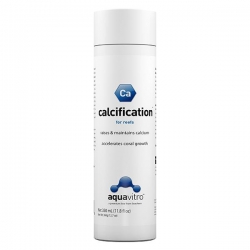
Product Code: SC55108
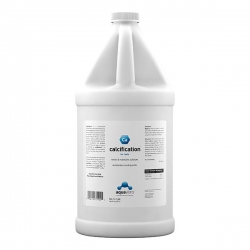
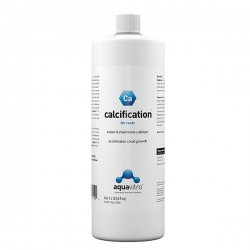
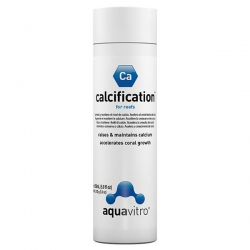
calcification is a concentrated (140,000 mg/L) optimized blend of ionic and bioavailable gluconate-complexed calcium designed to restore and maintain calcium to levels found in natural seawater, without affecting pH. These two forms of calcium are combined in calcification to provide the hobbyist with a convenient way to ensure peak coral growth and health. Ionic calcium is readily available,...
Product Code: SC55405
calcification is a concentrated (140,000 mg/L) optimized blend of ionic and bioavailable gluconate-complexed calcium designed to restore and maintain calcium to levels found in natural seawater, without affecting pH. These two forms of calcium are combined in calcification to provide the hobbyist with a convenient way to ensure peak coral growth and health. Ionic calcium is readily available,...
Product Code: SC55504
calcification is a concentrated (140,000 mg/L) optimized blend of ionic and bioavailable gluconate-complexed calcium designed to restore and maintain calcium to levels found in natural seawater, without affecting pH. These two forms of calcium are combined in calcification to provide the hobbyist with a convenient way to ensure peak coral growth and health. Ionic calcium is readily available,...
Product Code: SC55603
calcification is a concentrated (140,000 mg/L) optimized blend of ionic and bioavailable gluconate-complexed calcium designed to restore and maintain calcium to levels found in natural seawater, without affecting pH. These two forms of calcium are combined in calcification to provide the hobbyist with a convenient way to ensure peak coral growth and health. Ionic calcium is readily available,...
Product Code: SC56105
Like calcium and strontium, magnesium is used in the calcification of skeletons of reef organisms. In many cases, magnesium is used in place of calcium for calcification. In addition to its role in calcification, magnesium is used by organisms ranging from bacteria, to coralline algae to fish. How can you be sure if magnesium levels are deficient? There are a couple of indications; severely...
Product Code: SC56402
Like calcium and strontium, magnesium is used in the calcification of skeletons of reef organisms. In many cases, magnesium is used in place of calcium for calcification. In addition to its role in calcification, magnesium is used by organisms ranging from bacteria, to coralline algae to fish. How can you be sure if magnesium levels are deficient? There are a couple of indications; severely...
Product Code: SC56501
Like calcium and strontium, magnesium is used in the calcification of skeletons of reef organisms. In many cases, magnesium is used in place of calcium for calcification. In addition to its role in calcification, magnesium is used by organisms ranging from bacteria, to coralline algae to fish. How can you be sure if magnesium levels are deficient? There are a couple of indications; severely...
Product Code: SC56600
Like calcium and strontium, magnesium is used in the calcification of skeletons of reef organisms. In many cases, magnesium is used in place of calcium for calcification. In addition to its role in calcification, magnesium is used by organisms ranging from bacteria, to coralline algae to fish. How can you be sure if magnesium levels are deficient? There are a couple of indications; severely...
Product Code: SC58000
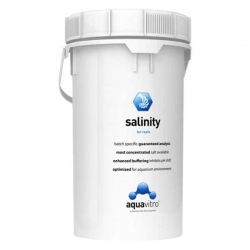
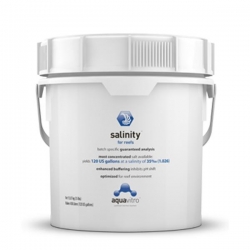
salinity is a blend of salts specifically formulated for the reef aquarium that contains all essential major, minor, and trace components found in natural reef waters, but contains no toxic or non-essential components. Additionally, salinity is the most concentrated salt blend on the market. With a hydration level of
Product Code: SC58208
salinity is a blend of salts specifically formulated for the reef aquarium that contains all essential major, minor, and trace components found in natural reef waters, but contains no toxic or non-essential components. Additionally, salinity is the most concentrated salt blend on the market. With a hydration level of
Product Code: SC58406
salinity is a blend of salts specifically formulated for the reef aquarium that contains all essential major, minor, and trace components found in natural reef waters, but contains no toxic or non-essential components. Additionally, salinity is the most concentrated salt blend on the market. With a hydration level of
Product Code: SC60102
Nitrogen is one of the three macro nutrients (NPK) required by plants. It is a component of proteins and nucleic acids. Nitrogen is mobile in plants. This means the plants divert these nutrients from older leaves to new leaves. Thus, deficiency symptoms appear in older leaves first. Nitrogen deficiency symptoms include chlorosis; slow growth; and small, stunted plants with large root systems....
Product Code: SC60201
Nitrogen is one of the three macro nutrients (NPK) required by plants. It is a component of proteins and nucleic acids. Nitrogen is mobile in plants. This means the plants divert these nutrients from older leaves to new leaves. Thus, deficiency symptoms appear in older leaves first. Nitrogen deficiency symptoms include chlorosis; slow growth; and small, stunted plants with large root systems....